
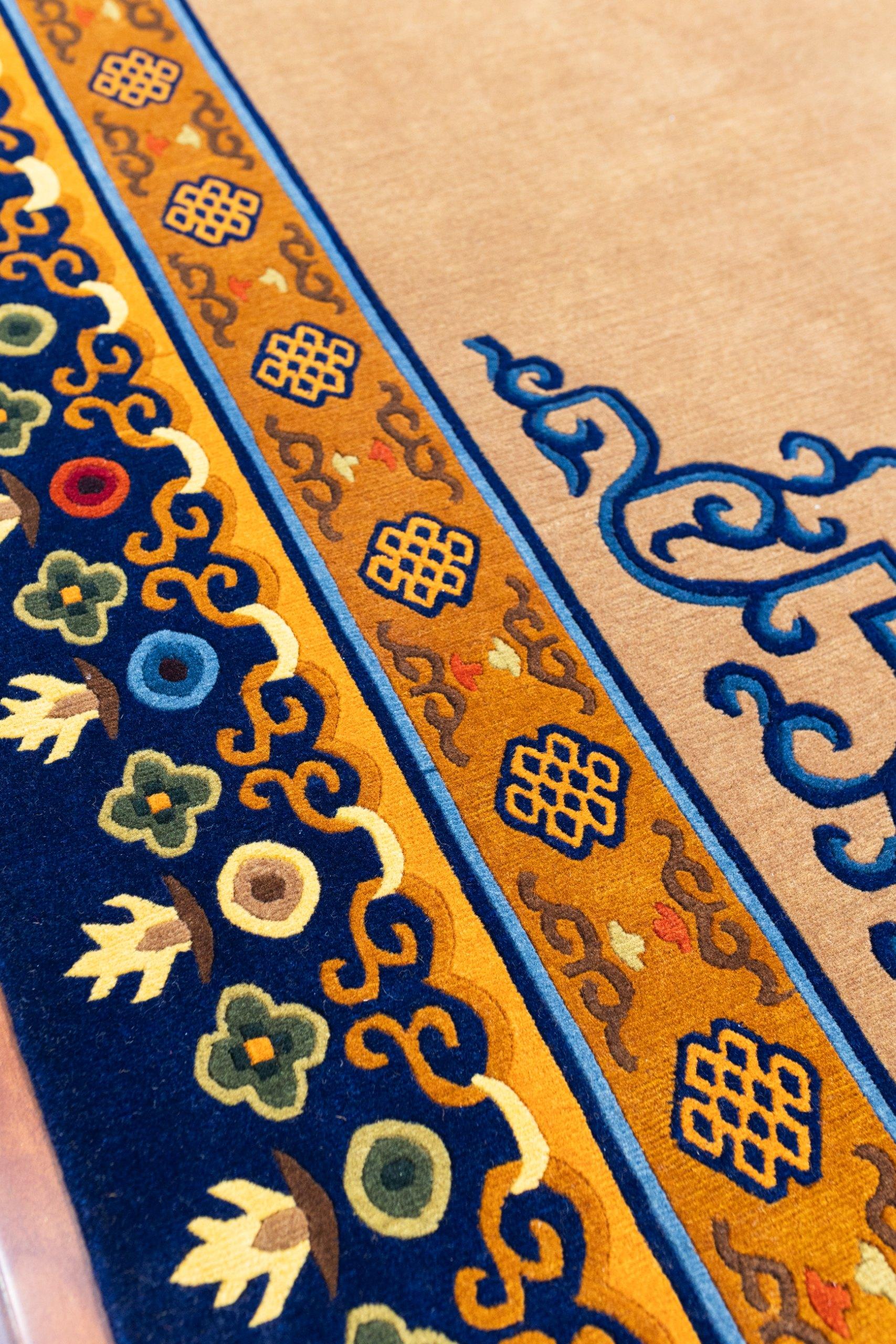
A Craft Carried Out of Exile.
Himalya Tsultrim Carpet Industries weaves within a tradition that began as survival and became one of Nepal's defining exports.
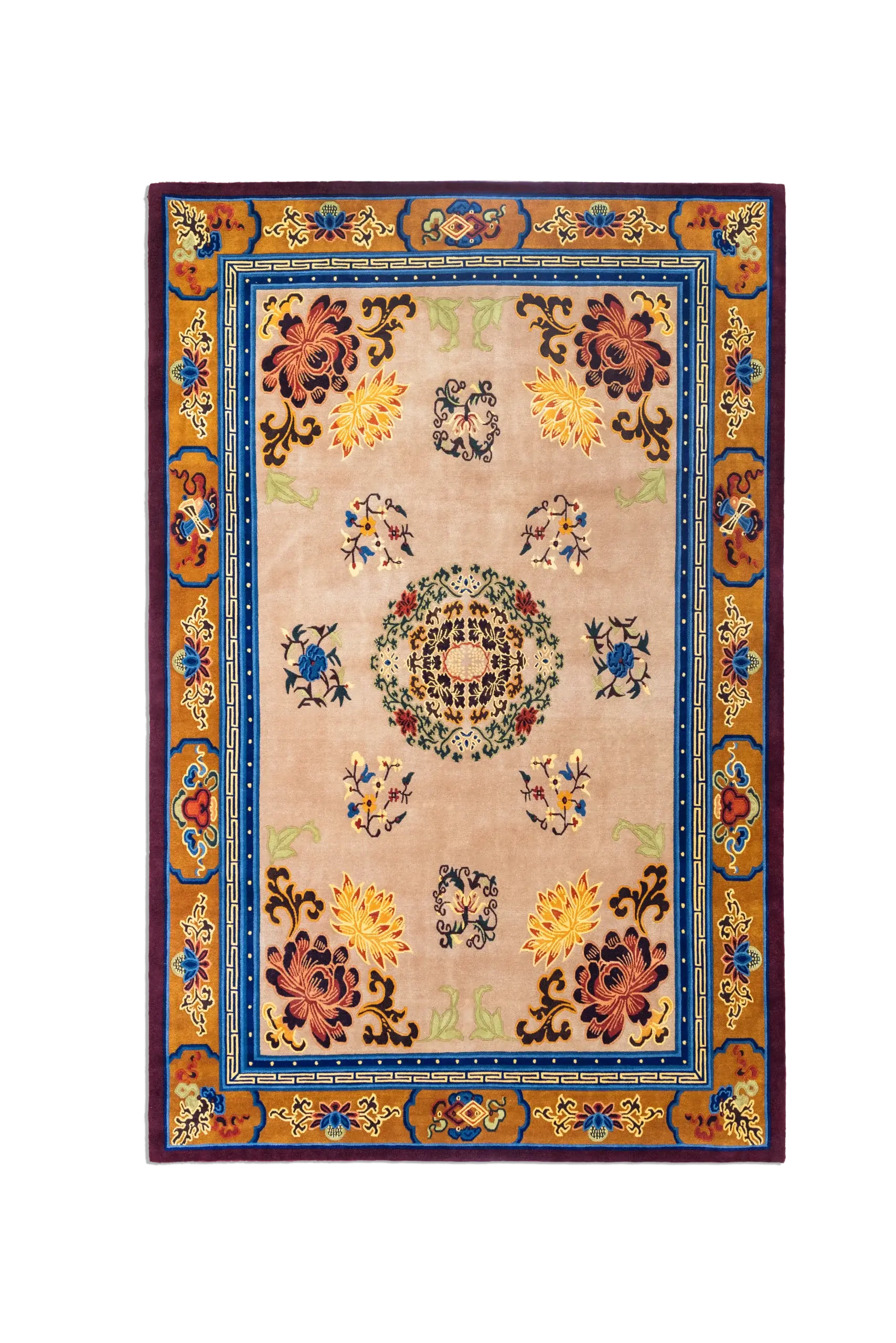
Manufacturer and exporter of high-quality hand-knotted Tibetan-Nepalese woolen carpets, woven on traditional looms at 60, 80, or 100 knots per square inch.
- +977 1-4913286
- +977 980-1055104
- +977 984-4188232
- Registered Name
- Himalya Tsultrim Carpet Industries
- Location
- Gokarneshwor 9, Jorpati, Kathmandu, Nepal (P.O. Box 12649)
- Leadership
- Mr. Chhewang Lama, Chairman · Mr. Tsering Lama
- Trade Affiliation
- Nepal Carpet Manufacturers and Exporters Association (NCMEA), General Member #49
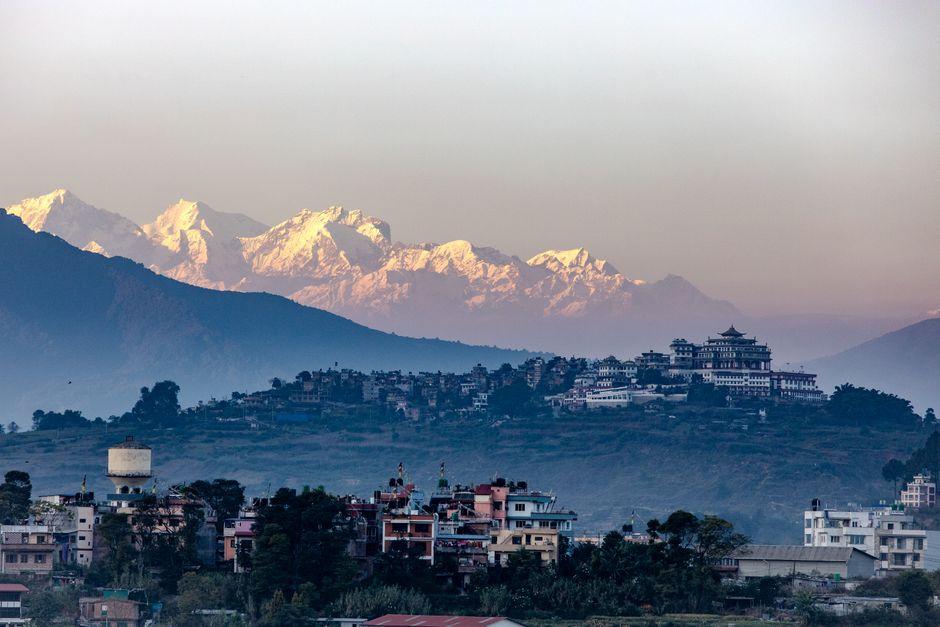
“Gokarneshwor, Jorpati, in the shadow of the Himalaya, where this craft was rebuilt by hand.”
A Highly Manual, Multi-Step Pipeline.
From fiber to finished export, the Himalay Tsultrim process remains almost entirely a hand craft.
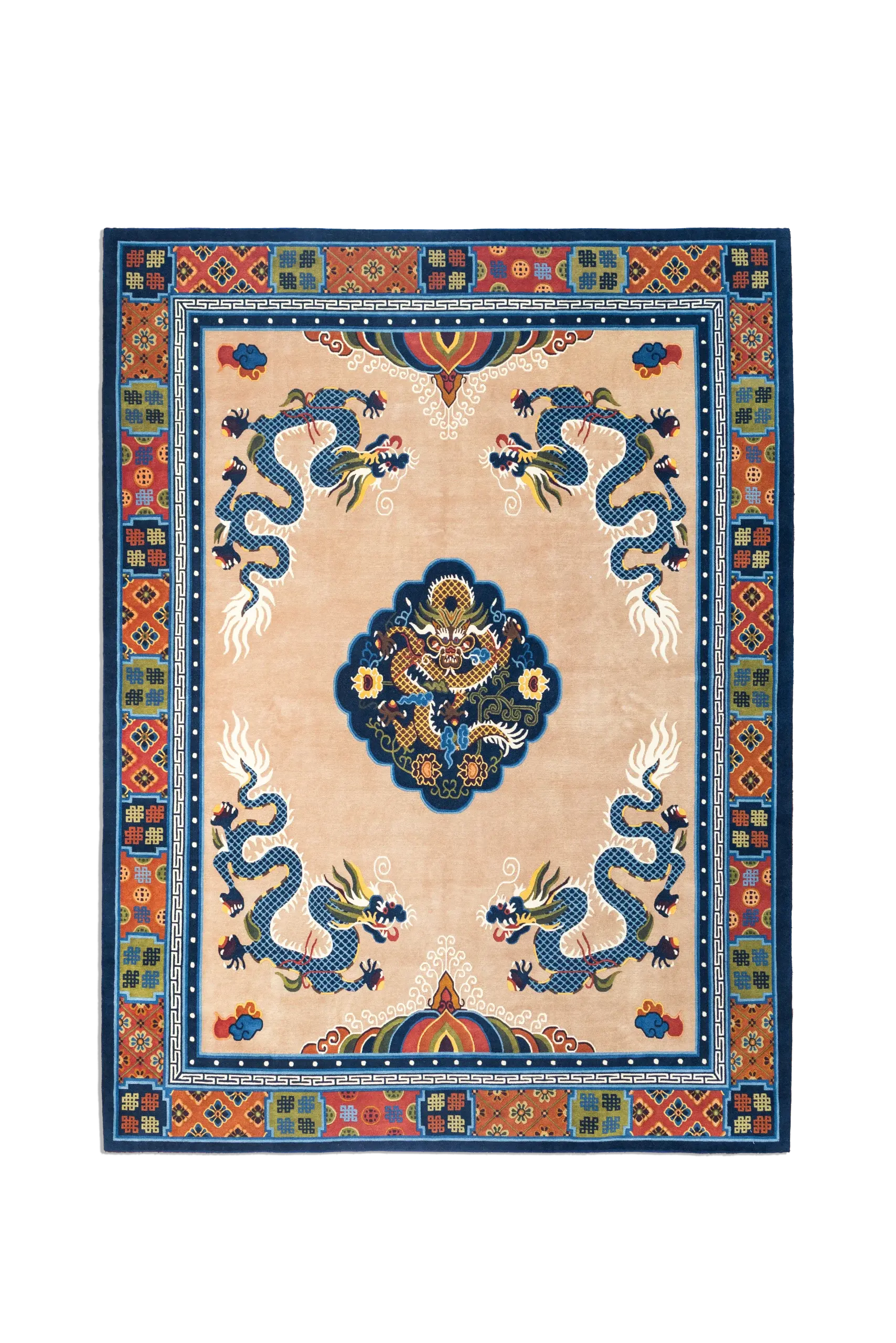
Material Preparation
Premium Tibetan and New Zealand wool, hand-carded, hand-spun, and dyed before it ever reaches the loom.
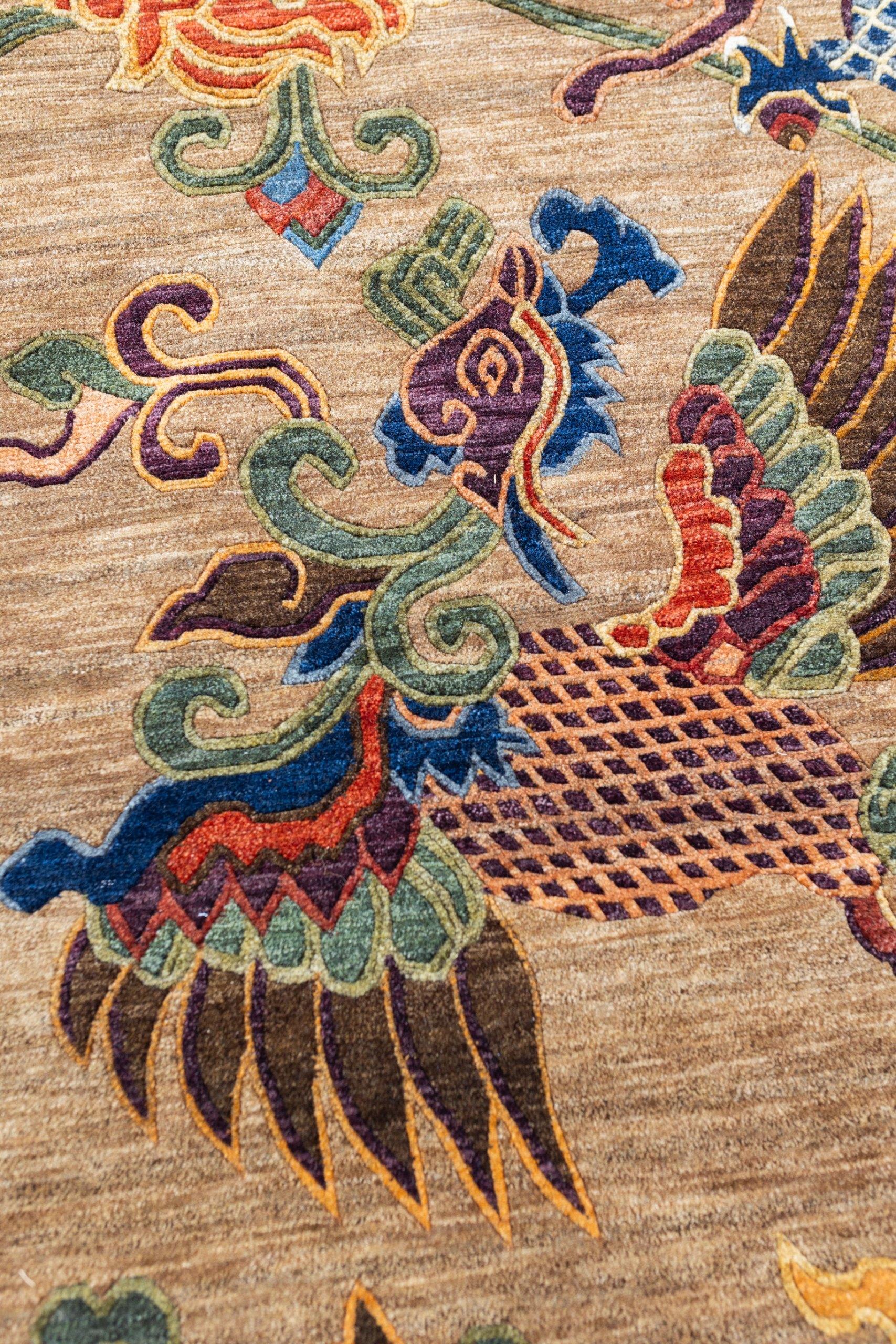
Knotting Technique
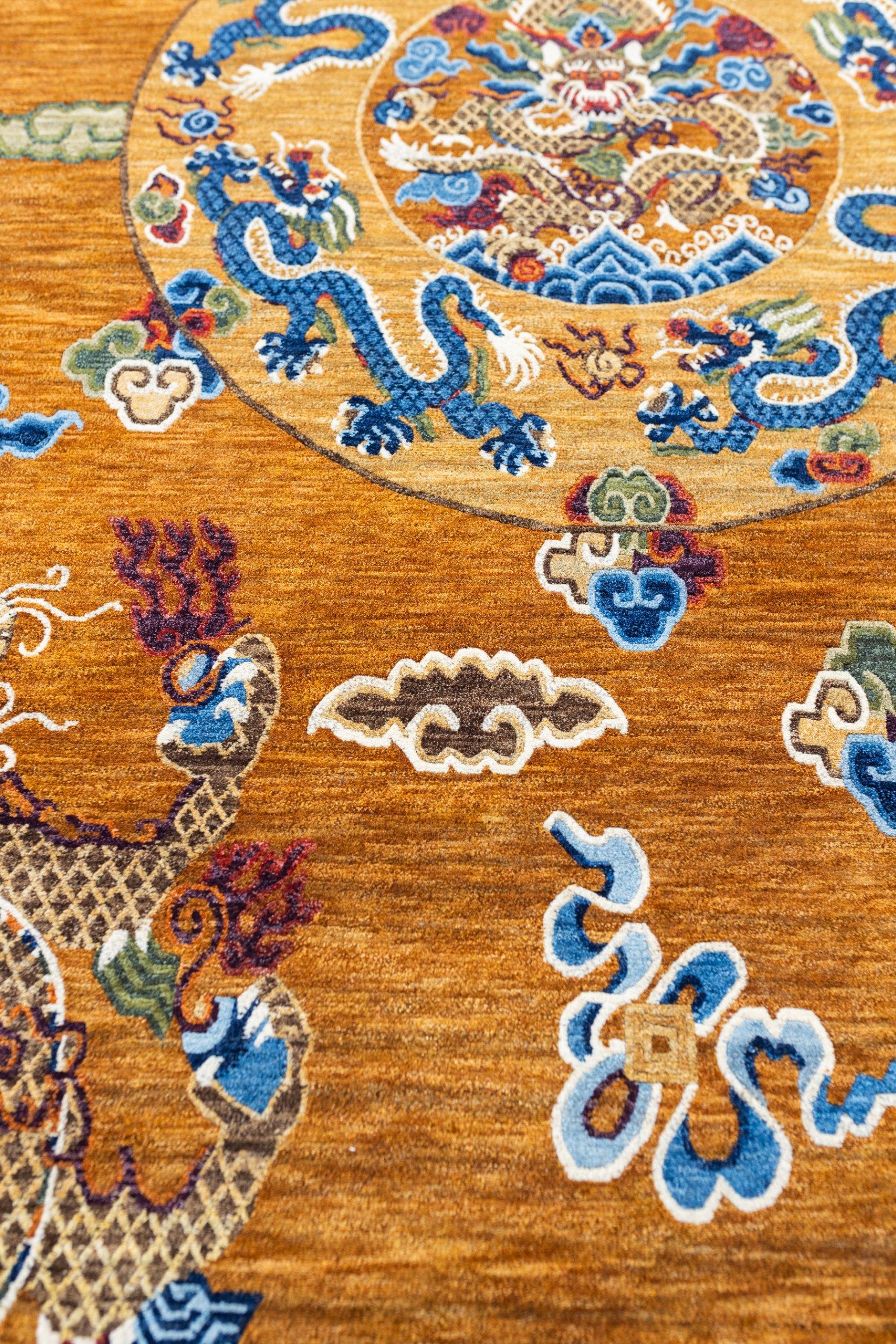
The traditional Tibetan loop-knot method, woven at 60, 80, or 100 knots per square inch for durability.
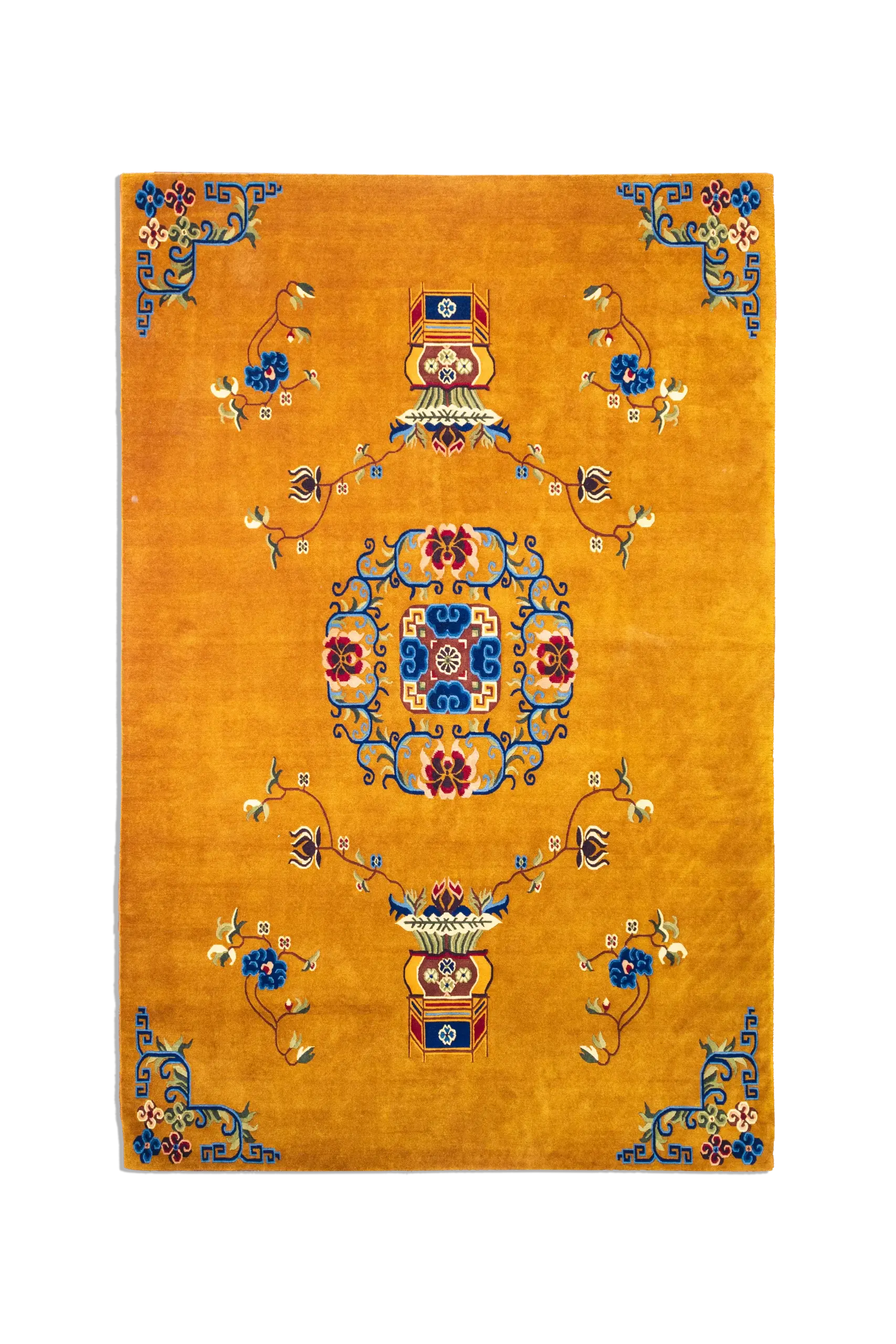
Design Architecture
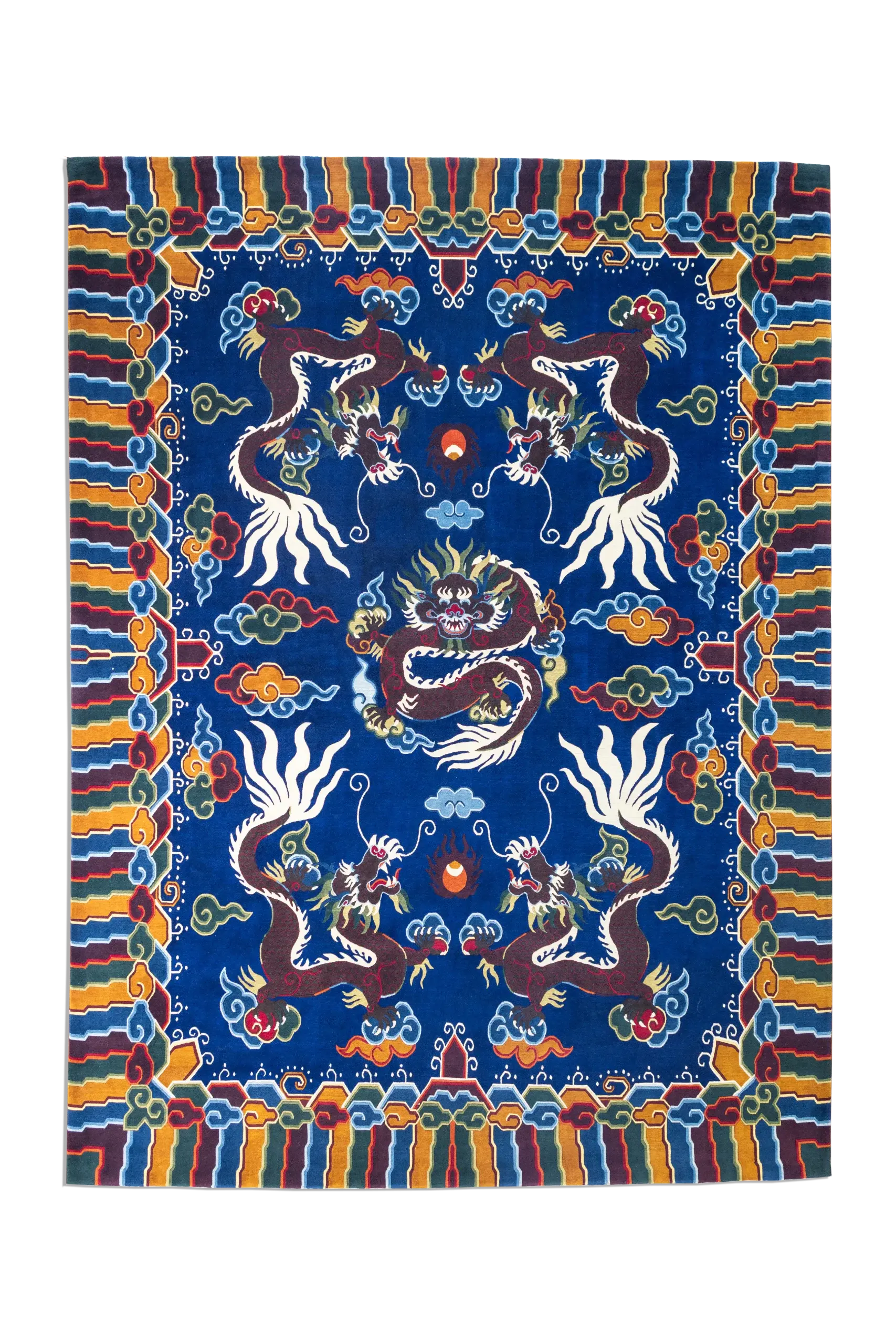
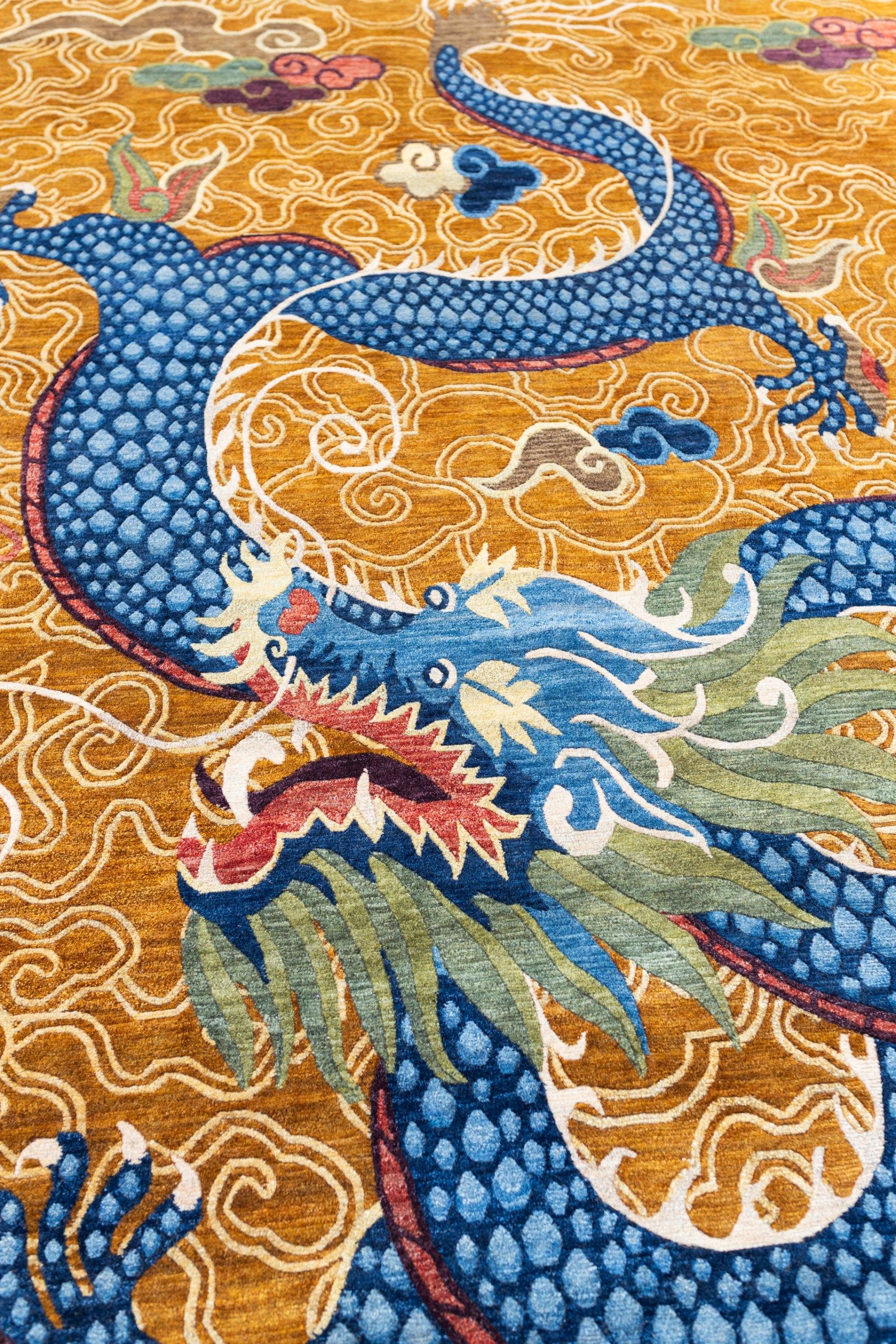
Motifs ranging from traditional tigers, dragons, and geometric Galaincha patterns to modern abstract gradients for international clients.
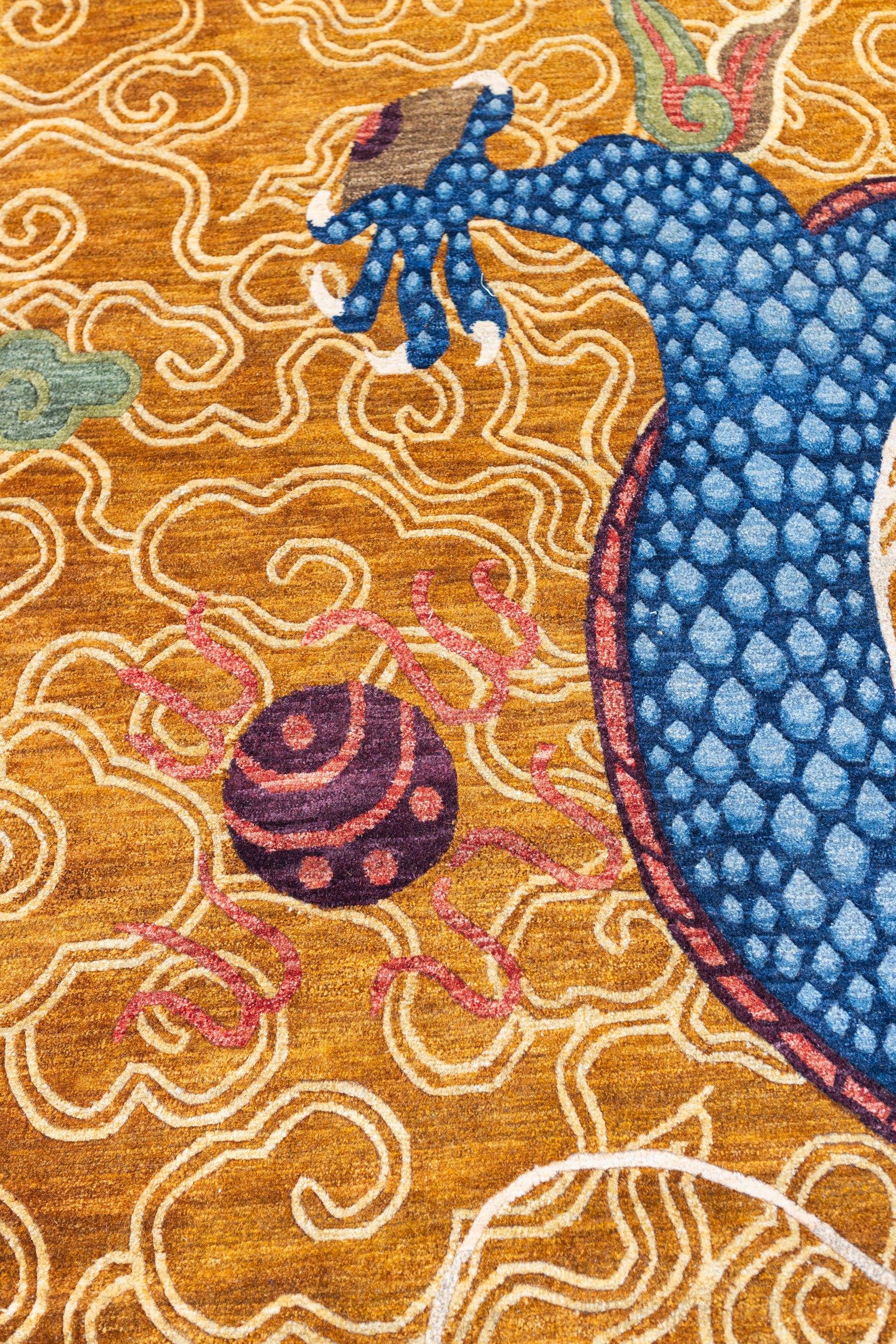
Finishing
Rigorous washing, stretching, and hand-trimming with large shears for an embossed, textured finish before export.
Tibetan-Nepalese Weaving: A Timeline.
Early 1960s
The Catalyst
Following the Tibetan uprising, thousands of refugees migrated to Nepal, bringing the ancestral craft of carpet weaving with them, first practiced in refugee camps to earn a living.
Mid-1960s
SATA Intervention
The Swiss Association for Technical Assistance (SATA) helped commercialize the craft, investing in the Chailsa Handicraft Centre in Solukhumbu, then Jawalakhel in Kathmandu and Tashiling in Pokhara.
1970s to 1990s
The Commercial Boom
What began as a survival tactic became a global export boom: a centralized Kathmandu industry that turned handmade carpets into one of Nepal's core economic pillars.
2000s to Present
Modern Era & Restructuring
After political unrest and civil war, production shifted from centralized plants toward smaller, specialized workshops like Himalay Tsultrim, focused on bespoke orders and strict quality control.
Bring This Craft Into Your Project.
Talk to our trade team about custom commissions, or explore the current collection.